
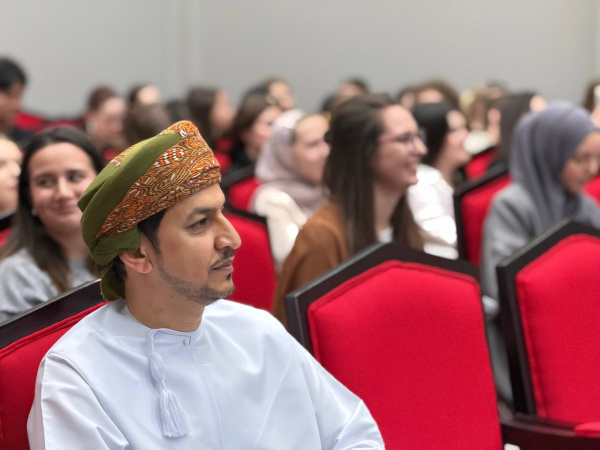
The halls of Sultan Qaboos University in Oman recently hosted a gathering that shifted the concept of cultural dialogue from theory to a lively, face-to-face conversation. Russian students currently mastering Arabic through an extensive educational exchange had the chance to engage directly with Marat Gatin, Deputy Chairman of the Group of Strategic Vision "Russia – Islamic World".
This marks the third year in a row that Sultan Qaboos University has hosted these internships. While past participants primarily were from Russia, neighboring CIS states, and South Korea, this year saw the program's reach expand to include students from China and Estonia. The current season brought together 84 participants, supported by nearly 40 organizers and 80 volunteers, for 48 hours of high-intensity learning. Russia sent 71 students representing 19 different universities, including 11 young specialists from Tatarstan.
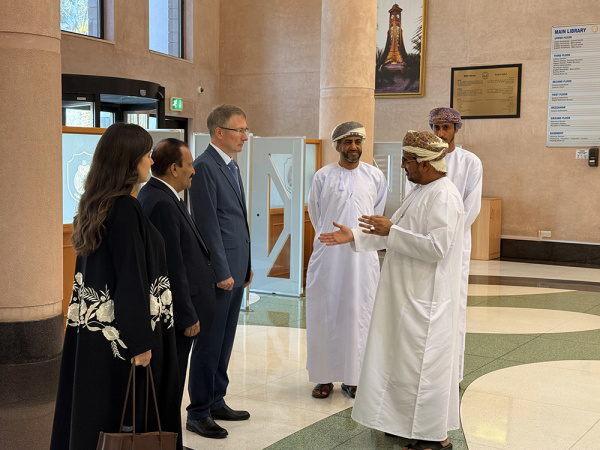
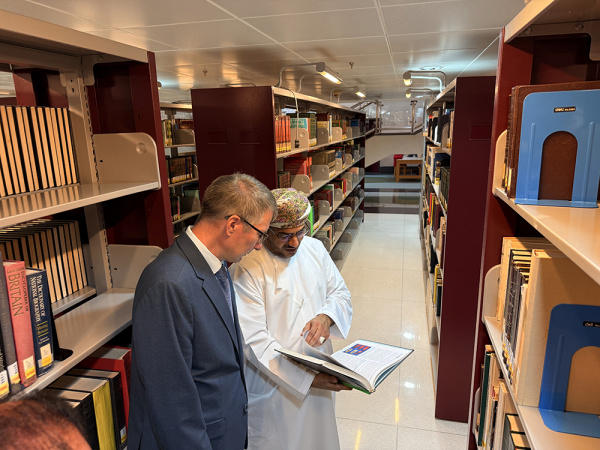
The "Al-Hadara" Center for Arabic Culture is the driving force behind this internship program for Russian students. The event opened with a symbolic look back at the program's origins, tracing it to the first winter tracks launched in 2020 at the Russian House in Alexandria—a center formerly headed by Marat Gatin himself. During her opening remarks, Center representative Emilia Bayramova noted: "The practical and organizational experience we gained during that first winter program was subsequently integrated into the implementation model for our other internships."
Established in 2006, the Group of Strategic Vision is now actively expanding across three core pillars. "Since last year, we have transitioned into project-based activities," Marat Gatin explained. Within the economic sector, the focus is placed on Islamic banking and the Halal industry, while the humanitarian track targets tangible outcomes, such as the partnership between the Bolgar Islamic Academy and Al-Azhar University. The cultural agenda for 2026 is set to revolve around Kazan, which currently holds the title of the Cultural Capital of the Islamic World.
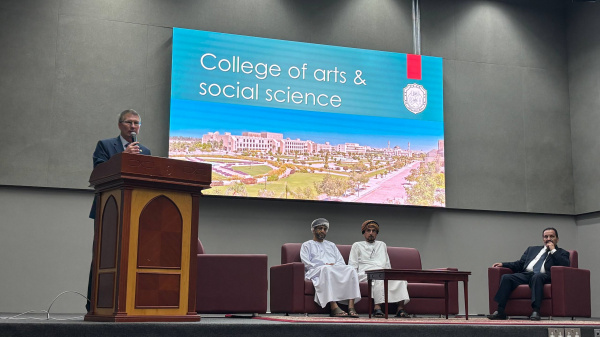
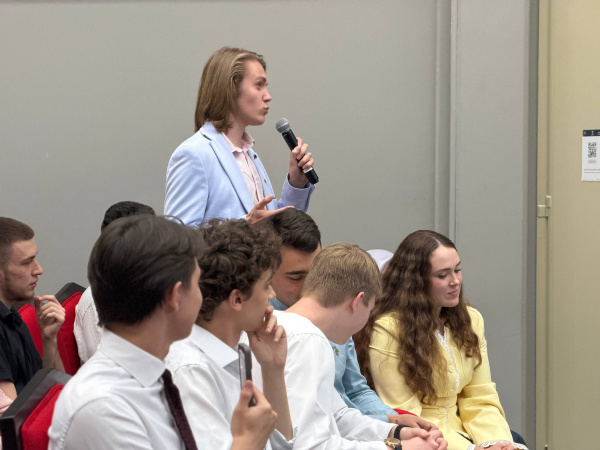
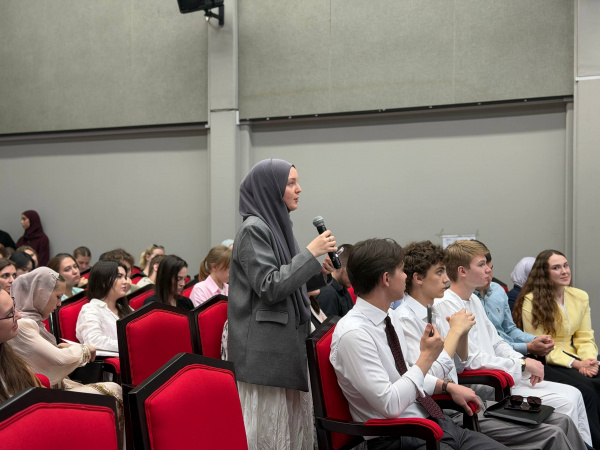
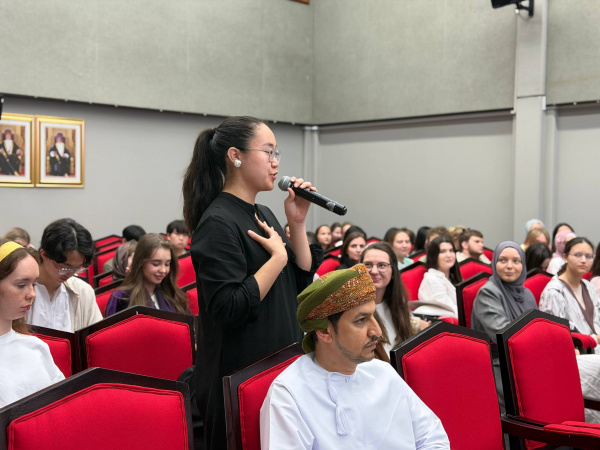
The discussion quickly evolved into an interactive session where students raised four pivotal questions. Alina Volkova, a student from RANEPA, asked about the specific skills required for deep engagement with the region. Marat Gatin emphasized: "It is vital to understand the culture and how the people live... The more time you spend in internships like these, the better." When asked about promising sectors for cooperation beyond culture and banking, the conversation highlighted a growing interest in scientific and academic ties, including IT, biology, and chemistry. Addressing the challenges of working with regional partners, the speaker noted the importance of patience and an appreciation for the Eastern mentality. A question from Dmitry Derkach, a student at the Mendeleev University of Chemical Technology, further confirmed the high potential for scientific and technical collaboration.
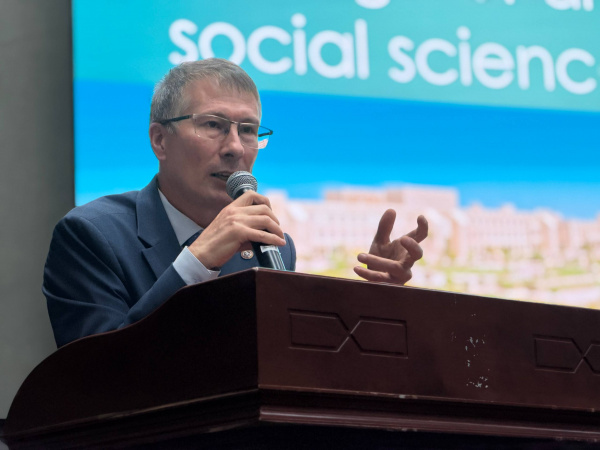
A practical milestone of the meeting was the announcement of a new operational tool: a Tatarstan representative office in Oman, established under the Group's auspices. Addressing the students, Marat Gatin highlighted their essential role, stating: "You are becoming the most critical link that helps... After all, culture and education ultimately lead to business and the economy."
In the closing segment of the meeting, Muhammad bin Nasser Al-Saqri, Dean of the Faculty of Arts and Social Sciences at Sultan Qaboos University, spoke to the assembly, underscoring the strategic weight of the dialogue. "We are deeply convinced that the purpose of such visits is to strengthen ties and develop multilateral cooperation. Language learning plays a key role in understanding cultures, as language is the soul of a people and a bridge to mutual understanding," the dean remarked, wishing the participants a productive and fruitful stay.
The evolution of these internships — shifting from a simple bilateral exchange to a multinational project — serves as a clear testament to how educational initiatives are being transformed into a solid foundation for the strategic partnership between Russia and the Islamic world.
GSV "Russia - Islamic World"