
As part of the 57th Cairo International Book Fair, the Middle East's premier cultural forum, the Group of Strategic Vision (Group) "Russia – Islamic World" organized a high-level presentation and roundtable. The event centered on the works of Gabdulla Tukay, a world-class poet and a titan of Tatar and Russian literature. His celebrated fairy-tale poem "Su Anasy" ("The Water Maiden"), translated into Arabic by the renowned Egyptian author and scholar Dr. Ashraf Aboul-Yazid, served as the focal point for a deep discussion on building cultural bridges.
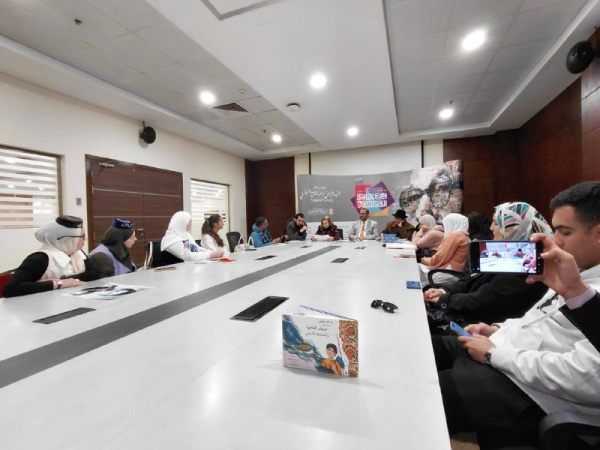
Moderator and writer Ahmed Karni noted that such works act as a vital key to cross-cultural dialogue, where mythology serves as a metaphor for the timeless themes of good, evil, and love. He emphasized that Russian literature has long evolved through interaction with various traditions, including Arabic and Egyptian influences, which can be seen in the heritage of several Egyptian writers like Yusuf Idris.
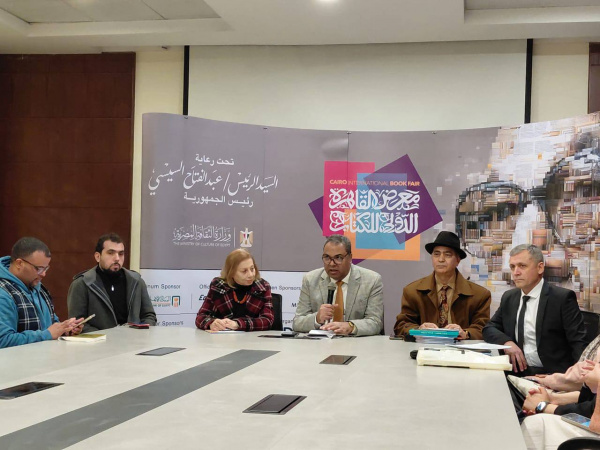
Irek Shamgunov, Head of External Relations for the Group, highlighted the strategic importance of these projects in fostering mutual understanding. "Your interest in Tatar literature and the work of Gabdulla Tukay is the highest testament to the significance of our joint efforts," Shamgunov stated. He described Egypt as a civilizational hub and noted that this presentation follows the Group’s recent successful introduction of Chechen poetry to the Arab world. "This translation allows the magic of Tukay’s poetic word to resonate with millions of Arabic-speaking readers," he added.
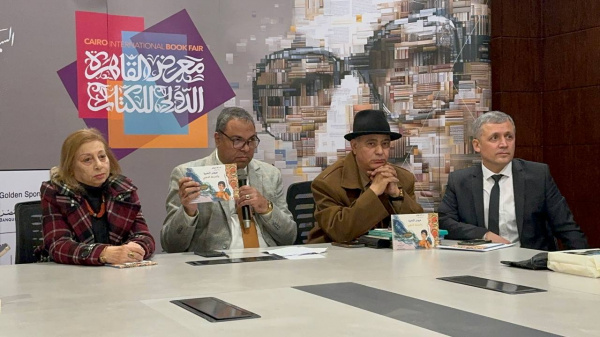
During the academic portion of the event, scholars drew parallels between Tukay and Alexander Pushkin. They noted how Russian literature influenced the Tatar classic, who remained simultaneously and deeply rooted in Islamic cultural traditions. Dr. Makarem El-Ghamri pointed out the inherent closeness between Tatar culture and the Arab-Islamic world, which naturally draws their literatures together. Meanwhile, translator Ashraf Aboul-Yazid and writer Ali Qutb discussed the immense responsibility of translating children’s literature, which must accurately convey cultural symbols to help shape an open worldview for future generations.
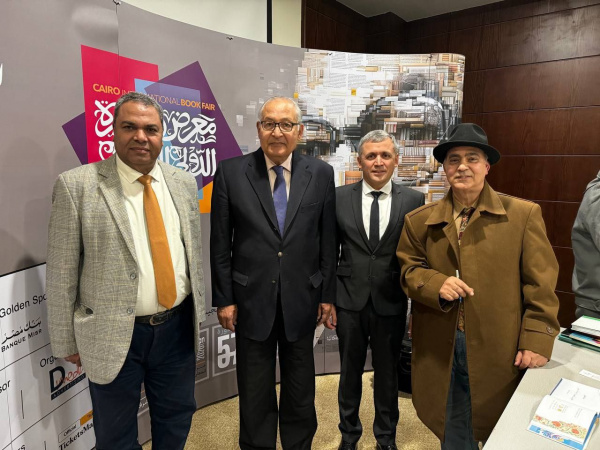
The meeting concluded with a distinguished audience, including Dr. Ezzat Saad — former Egyptian Ambassador to Russia and a member of the Group — alongside scholars, artists, members of the Tatar community in Egypt, and figures from media and literary circles, such as poet and publisher Magdi Abu Al-Khair. The participants emphasized the importance of such cultural gatherings for deepening international dialogue and for showcasing literature as a unique space for human connection. A central takeaway from the discussion was the realization that Gabdulla Tukay is not merely a Tatar or Russian poet, but a truly global one. His works, already translated into dozens of languages, carry universal values; their new life in Arabic, as participants noted, serves as powerful evidence of his international acclaim. The fact that his fairy tale has crossed borders to become a subject of discussion in the heart of the Arab world proves its rightful place in the canon of world literature.

As a mark of high recognition for his work in bringing cultures together, Dr. Ashraf Aboul-Yazid was presented with the "Russia – Islamic World" silver medal at the end of the seminar. This award symbolizes the success of this specific project and the broader strategy of the Group: building a foundation of friendship between Russia and the Islamic world through the inspired labor of poets and translators.

The Group of Strategic Vision "Russia – Islamic World" was established in 2006 at the initiative of President Vladimir Putin. Founded by the late Prime Minister Yevgeny Primakov and Mintimer Shaimiev, the first President of Tatarstan, the Group has been led since 2014 by the current Head of Tatarstan, Rustam Minnikhanov. The organization remains dedicated to fostering partnership and constructive dialogue between Russia and Muslim-majority nations through the work of prominent diplomats, scholars, and public figures.
GSV "Russia - Islamic World"