
The headquarters of the Arab League (League) hosted negotiations aimed at deepening cultural dialogue and strengthening interfaith understanding with Russia. The parties discussed specific steps to implement joint projects designed to bring the peoples of the Arab world and Russia closer together.
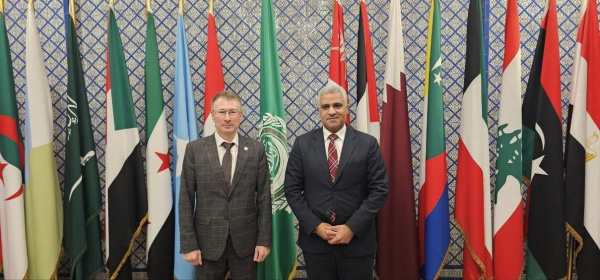
Marat Gatin, Assistant to the Rais of the Republic of Tatarstan and Deputy Chairman of the Group of Strategic Vision (GSV) "Russia – Islamic World", arrived at the General Secretariat for a working visit. His meeting with Advisor Yousef Badr Mishari, Director of the Department of Culture and Dialogue of Civilizations at the Arab League, was characterized by a constructive and intensive agenda.
Opening the dialogue, Mishari emphasized strong historical ties, stating that culture and dialogue are the most effective instruments for building trust and strengthening mutual understanding and respect. Among the practical issues addressed was the progress in preparing for the opening of the Arab Cultural Center in Russia, a project born from the resolutions of the Russian-Arab Cooperation Forum.
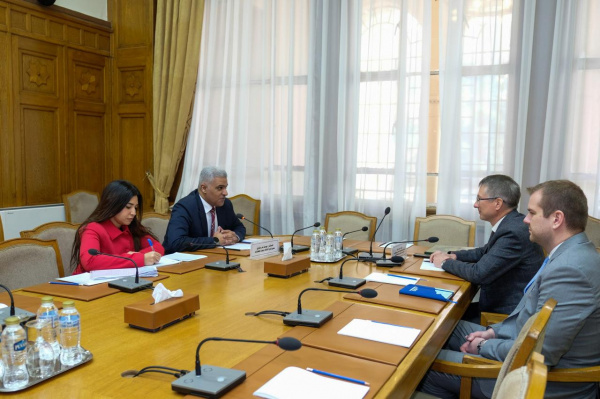
The meeting also focused on ambitious pan-Arab initiatives, including work on the Unified Arab Strategy for the Alliance of Civilizations for the 2026–2031 period and the "Arab Declaration on Tolerance and Peace." These documents are expected to be presented for approval to Arab foreign ministers in March 2026.
Marat Gatin reaffirmed Russia's unwavering commitment to developing a multifaceted partnership with the Arab region. He noted that Russia sees immense potential in cultural cooperation and exchange, emphasizing the importance of coordinating efforts to organize events that strengthen peaceful coexistence and tolerance between followers of different religions.
Gatin assigned a special role in this process to the youth, stressing that it is the younger generation that will strengthen the foundations of shared dialogue in the future.
The meeting resulted in the formulation of concrete proposals rather than a mere exchange of opinions. The parties agreed to intensify joint work, focusing on organizing thematic forums, educational programs, and cultural events. A separate agenda item concerned professional development for young specialists in the nuanced field of cultural and religious diplomacy. These steps, according to the negotiators, are intended to lay a solid foundation for long-term understanding between civilizations.
GSV "Russia - Islamic World"